
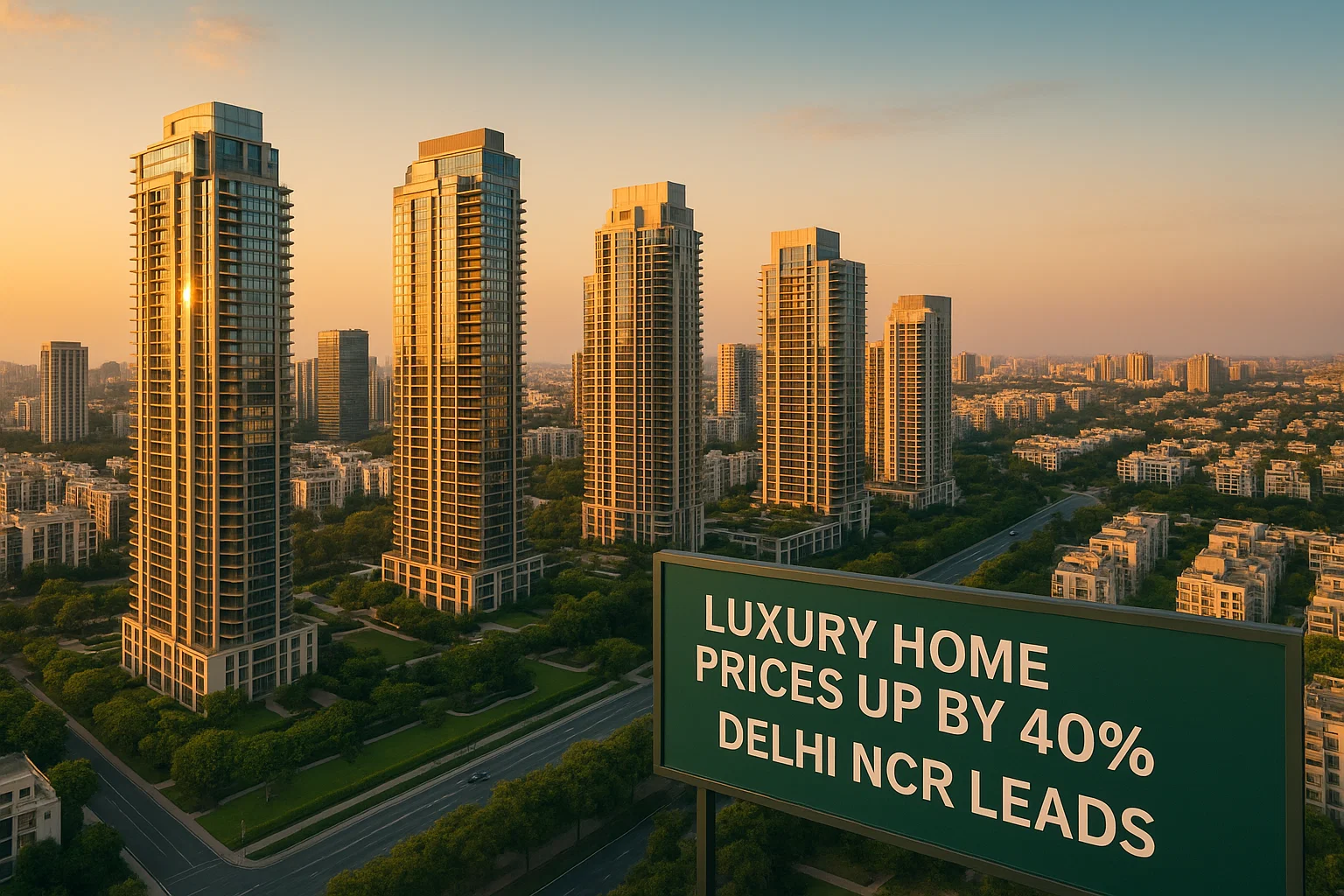
How Infrastructure Development Impacts Residential Property Demand in Gurgaon
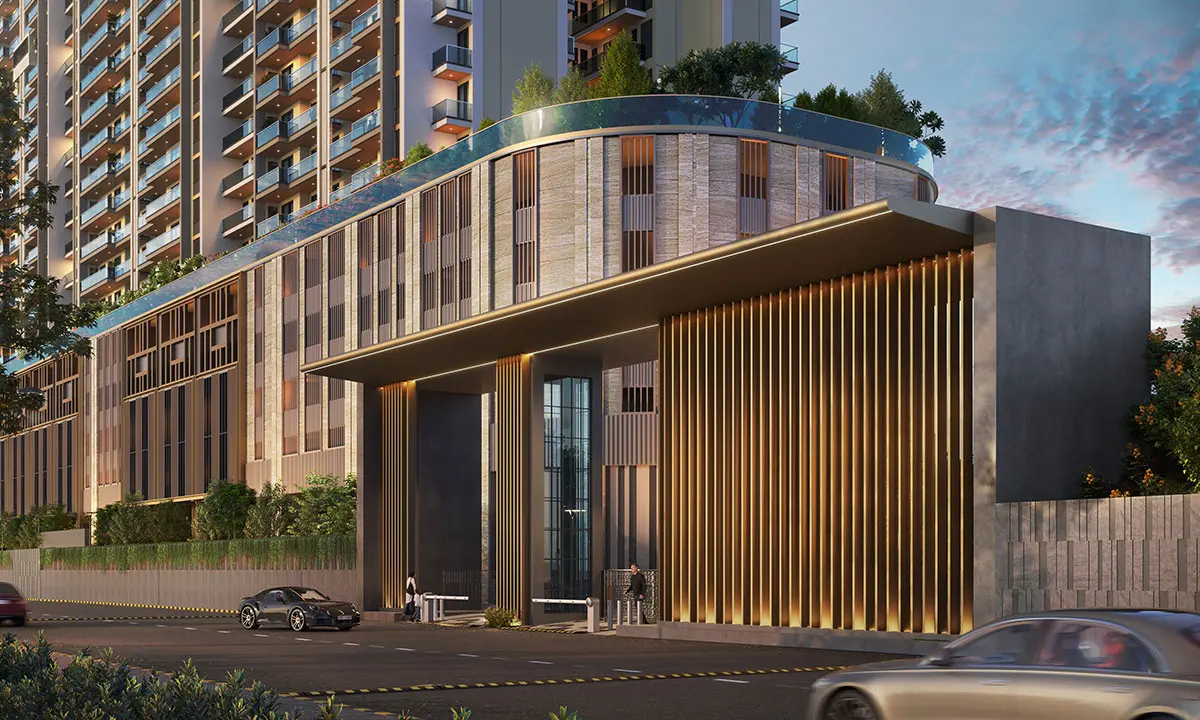 How Infrastructure Development Impacts Residential Property Demand in Gurgaon
Gurgaon has never been a city that likes to stand still.
Over the past few decades, the city has evolved from a corporate hub into one of the most prominent residential and commercial markets in the Delhi-NCR region.New commercial areas, motorways, motorways, metro links, and rising social infrastructure have all helped to transform how people live, work, and pick their houses.
For home buyers and investors, this makes one question particularly important: how does infrastructure development in Gurgaon affect residential property demand?
The answer is not simply that a new road or metro line automatically makes nearby homes more valuable. Infrastructure can improve accessibility, reduce travel friction, support employment growth and encourage commercial and residential development. However, the actual impact depends on the location, quality, execution and long-term usefulness of the infrastructure.
This distinction matters when evaluating residential property in Gurgaon.
A property may look attractive on a map, but the real test is whether infrastructure makes everyday life more convenient and whether the surrounding area develops into a functional neighbourhood.
Why Infrastructure Matters to Residential Property Demand
A house is more than just four walls in a residence.
Buyers also evaluate how easily they can reach their workplace, airport, schools, hospitals, shopping destinations and public transport. This is why connectivity has become an important consideration in residential real estate.
Better infrastructure can reduce travel time, improve access to employment centres and make previously less-connected locations more practical for residents.
The effect can create a broader development cycle:
Infrastructure → Better connectivity → Higher accessibility → More business activity → More housing demand → Wider residential development
This does not mean every infrastructure project produces the same result. A major transport corridor connecting important employment and residential zones can have a very different effect from a local road improvement.
For buyers, the key issue is not merely, "What kind of infrastructure is coming here?"
It is:
“What problem will this infrastructure solve for residents?”
That question usually produces a much more meaningful property assessment.
Gurgaon Infrastructure Development Is Expanding Across Multiple Corridors
Gurgaon’s infrastructure story involves several types of development rather than one single project.
Road connectivity, metro extension, regional transportation links, motorways, and urban development are all components of the whole picture.
The Gurugram Metropolitan Development Authority’s proposed infrastructure mapping includes proposed metro lines, RRTS alignments, proposed roads and other transport infrastructure. This reflects the broader effort to create a more connected urban network as the city expands.
One example is the proposed Sector 56–Panchgaon Metro corridor. In September 2026, the Haryana government said the proposed 35.25-kilometre corridor would have 28 stations and connect areas including Sector 56, Sector 65, Sector 66, Kherki Daula, Global City, New Gurugram, IMT Manesar and Panchgaon. The project is also planned for integration with other existing and proposed transport systems.
Importantly, this remains a proposed project at the planning and approval stage. Buyers should therefore distinguish between announced infrastructure, approved projects, projects under construction and operational infrastructure.
Road infrastructure is also being upgraded.
In March 2026, GMDA floated a tender for a proposed 4.2-kilometre elevated corridor on the Southern Peripheral Road between Vatika Chowk and NH-48. The stated objective is to strengthen connectivity between important corridors and improve traffic movement.
At the regional level, the Government of India also approved an 8.1-kilometre six-lane road tunnel connecting the Dwarka Expressway with Nelson Mandela Marg in Vasant Kunj. The project is intended to improve connectivity between West and South Delhi and benefit traffic serving Gurugram, Dwarka and IGI Airport.
Together, these developments show why Gurgaon infrastructure development should be viewed as a network rather than a collection of isolated projects.
1. Better Connectivity Can Increase Residential Demand
The most direct link between infrastructure and housing demand is accessibility.
People generally want homes that make daily travel manageable.
Consider two residential locations with similar apartments, amenities and pricing. If one offers easier access to major employment centres, highways, public transport and essential services, buyers may naturally pay more attention to it.
This is one reason infrastructure corridors often become attractive for residential development.
The relationship is particularly relevant in Gurgaon because the city's employment centres are spread across multiple business districts. Residents may work in Cyber City, Golf Course Road, Golf Course Extension Road, Udyog Vihar, Sohna Road, New Gurgaon or Manesar.
Infrastructure that links such employment centers to residential communities might make nearby housing more convenient.
For buyers, connectivity therefore deserves the same attention as apartment size, floor plan and amenities.
2. Infrastructure Can Open Up New Residential Growth Corridors
Infrastructure does not only improve established neighbourhoods.
It can also make developing locations more accessible.
When roads, public transport and supporting civic infrastructure improve, developers may find previously less-connected areas more viable for residential projects. As more projects appear, the surrounding ecosystem can gradually develop.
This can include:
- Residential communities
- Schools and educational institutions
- Healthcare facilities
- Retail centres
- Restaurants and everyday services
- Offices and employment hubs
- Recreational spaces
This establishes an important contrast between a residential project and a residential environment.
A beautifully designed apartment in an isolated location may offer excellent internal amenities, but buyers also need convenient access to the services they use outside the project.
For long-term homeowners, this surrounding ecosystem can become increasingly important.
3. Infrastructure and Property Prices Are Connected, But Not Automatically
One of the most often held beliefs in real estate is:
New infrastructure = immediate property price appreciation.
The reality is more complicated.
Infrastructure can affect property prices by enhancing accessibility and raising the appeal of a location.However, price movement depends on several other factors, including supply, demand, employment growth, project quality, market conditions, financing costs and the stage of development.
An announced infrastructure project may generate expectations.
A project under construction may create visible changes.
An operational project that delivers meaningful connectivity can have a different impact.
This is why buyers should be careful with claims that a particular upcoming road, metro station or expressway will definitely deliver a specific percentage increase in property prices.
There is no universal formula for infrastructure impact on property prices.
Instead, infrastructure should be treated as one component of a broader real estate evaluation.
4. Public Transport Can Change Buyer Preferences
Road connectivity is important, but public transport can be equally significant.
A strong public transport network gives residents an alternative to private vehicles. This becomes particularly relevant as urban populations grow and road congestion becomes a daily consideration.
Gurgaon already has established metro and Rapid Metro connectivity in several areas, while additional transport infrastructure is being planned.
The proposed Sector 56–Panchgaon corridor is particularly relevant from a long-term planning perspective because the Haryana government has described it as a corridor designed to connect multiple residential, commercial and employment areas and integrate with other transport systems.
For home buyers, the practical lesson is simple:
Do not look only at the distance between a property and a proposed station.
Look at the actual transport network around the property.
A single station is useful. A connected network is much more useful.
5. Infrastructure Supports Employment, and Employment Supports Housing
Residential demand rarely exists in isolation.
People need homes close enough to their workplaces or connected well enough to commute to them.
This creates a strong relationship between economic development and housing demand.
When infrastructure makes an area easier to access, businesses may find the location more practical for offices, commercial activity and workforce expansion. New employment opportunities can then create additional housing requirements.
This is particularly relevant to Gurgaon because the city has developed as a major corporate and commercial destination.
As employment centres expand into new corridors, residential development often follows the movement of people.
That is why infrastructure and property demand should be examined together with employment and commercial development.
A road with no meaningful destination at either end tells only half the story.
A road connecting residential communities with employment centres tells a much bigger one.
6. Social Infrastructure Makes Residential Areas More Livable
Infrastructure is not limited to roads and metro systems.
For home buyers, social infrastructure matters too.
Schools, hospitals, retail centres, recreational facilities and everyday services influence the practical quality of a neighbourhood.
A growing residential corridor needs more than apartment towers. It needs the supporting facilities that allow families to build their daily routines around the location.
This is particularly important for end-users.
An investor may initially focus on market potential, but a family buying a home may ask very different questions:
- How far is the nearest school?
- Where is the nearest hospital?
- How easy is the daily commute?
- Are grocery stores and essential services accessible?
- Is public transport available?
- What does the neighbourhood look like after business hours?
- Is the area developing in an organised manner?
These questions bring the discussion back to one central point: good infrastructure should improve real life, not just property brochures.
7. Gurgaon Real Estate Infrastructure Can Influence Different Buyers Differently

Not all buyers evaluate infrastructure in the same approach.
For End-Users
End-users usually prioritise convenience.
They may place greater importance on commute times, schools, hospitals, shopping and neighbourhood facilities.
For them, infrastructure can directly influence the quality of everyday life.
For Investors
Investors may examine infrastructure from a longer-term perspective.
They may study upcoming employment hubs, transport corridors, commercial development and the potential expansion of residential demand.
However, infrastructure alone should not become an investment thesis.
Supply levels, pricing, rental demand, project credibility, regulatory status and overall market conditions also require careful evaluation.
For Families
Families often look beyond connectivity.
They may want a combination of accessibility, safety, open spaces, schools, healthcare and community amenities.
This is why modern residential developments increasingly compete on the complete living experience rather than apartment specifications alone.
8. What This Means for Residential Property in Gurgaon
.Gurgaon has multiple existing and rising residential corridors, and the infrastructure affects each of them differently
Areas with mature connectivity may benefit from convenience and established social infrastructure.
Developing corridors may offer a different proposition, where infrastructure is still transforming the surrounding ecosystem.
The key is to identify where infrastructure is already functional and where it remains a future expectation.
For example, Satya Group's developments demonstrate how location and connectivity form part of the residential proposition.
Its Satya Levante Residences in Sector 104, Dwarka Expressway, is positioned around connectivity to Delhi, IGI Airport and major business and lifestyle destinations. The project, registered under HRERA as GGM/1000/732/2025/103, offers 3, 4 and 5 BHK residential units.
Satya Group's wider Gurugram portfolio also includes residential, commercial and mixed-use developments across established and developing locations. The company's official profile states that it has more than four decades of experience and has delivered developments across North and Central India.
For a developer, this makes infrastructure more than a marketing talking point. It becomes part of how a project fits into the wider urban fabric.
9. Infrastructure Projects in Gurgaon Need to Be Evaluated Carefully
There is an important buyer lesson here.
Do not confuse a proposed infrastructure project with a completed one.
Before purchasing a property based on an upcoming road, metro line or transport corridor, check:
1. Project status:
Is it proposed, approved, tendered, under construction or operational?
2. Official source:
Can the project be verified through a government authority or official project document?
3. Location relevance:
Will the infrastructure actually improve connectivity from the specific property?
4. Timeline:
Is there an announced implementation schedule, and what stage has the project reached?
5. Existing connectivity:
Would you still consider the property if the proposed project takes longer than expected?
This last question is particularly useful.
If the answer is no, you may be buying a future promise rather than a home that works for you today.
10. Infrastructure Impact on Real Estate Is Usually a Long-Term Story
Real estate does not transform overnight.
A new road may be completed, but surrounding development can take years. A metro corridor may improve accessibility, but commercial and residential ecosystems may evolve gradually.
That is why buyers should avoid judging infrastructure development and property prices only through short-term speculation.
The more sustainable relationship is between infrastructure, accessibility, employment, services and liveability.
When these elements develop together, a location can become more attractive to residents.
In other words, infrastructure works best when it becomes part of a functioning city.
How Can Home Buyers Use Infrastructure When Purchasing a Property
A straightforward assessment framework can make the task easier.
Check Current Connectivity
Start with what exists today.
Look at roads, metro stations, public transport, major employment centres and travel routes.
Study Confirmed Future Projects
Then examine officially announced infrastructure.
Use government and authority sources rather than relying solely on property advertisements or social media posts.
Understand the Local Ecosystem
Look beyond the project.
Check schools, hospitals, retail, restaurants, parks, offices and other daily-use facilities.
Consider Your Own Commute
A property may be well connected to one part of Gurgaon but inconvenient for your workplace.
Your commute should remain a central part of the decision.
Separate Facts From Expectations
This is perhaps the most important step.
A completed expressway is a fact.
A proposed metro is a future possibility.
A predicted property price increase is an expectation.
Keeping these categories separate helps buyers make more informed decisions.
The Future of Gurgaon Residential Real Estate
More than just housing supply will continue to impact the future of Gurgaon residential real estate.
Transport connectivity, employment centres, urban planning, social infrastructure and quality of development will all influence how residential corridors evolve.
Current government planning places a greater emphasis on regional connections and long-term urban development throughout the NCR. Haryana has been participating in planning discussions around NCR development and future transport-led growth.
For Gurgaon, this creates an important opportunity as well as a responsibility.
Future residential growth needs infrastructure that can support it.
And infrastructure planning needs residential development that is organised, accessible and capable of supporting sustainable communities.
Final Thoughts
The connection between infrastructure development in Gurgaon and residential property demand is real, but it is not as simple as “new infrastructure means higher prices.”
Good infrastructure can improve accessibility.
Better accessibility can support employment and commercial activity.
Growing employment can strengthen housing demand.
Well-planned residential construction can transform the demand into livable communities.
For home buyers and investors, the smartest approach is therefore to look at the complete picture.
Study the existing infrastructure. Verify future projects. Understand employment corridors. Examine social amenities. Consider the property's actual connectivity. And, most importantly, separate confirmed developments from projections.
For developers such as Satya Group, this broader perspective is central to creating residential spaces that connect with the evolving needs of Gurgaon.
Because ultimately, a home does not exist in isolation.
The roads around it matter. The transport network matters. The neighbourhood matters. The workplace connection matters. And the city growing around it matters.
That is the real relationship between infrastructure and residential property demand in Gurgaon.
FAQs
1. How does infrastructure affect residential demand in Gurgaon?
Better connectivity and amenities can increase interest in residential locations.
2. Does infrastructure development increase property prices?
It can boost demand, although prices are also influenced by location, supply, project quality, and market conditions.
3. What infrastructure should home buyers check in Gurgaon?
Check roads, metro, public transport, schools, hospitals, drainage, water supply and nearby employment hubs.
4. Why is connectivity important for Gurgaon property buyers?
Good connectivity can make daily travel to workplaces, schools and essential services easier.
5. What should buyers verify before buying property in Gurgaon?
Check existing infrastructure, officially planned projects, approvals, amenities, developer credentials and local property supply.